Domain fyes.de kaufen?
Wir ziehen mit dem Projekt
fyes.de um.
Sind Sie am Kauf der Domain
fyes.de interessiert?
domain@kv-gmbh.de · 0541-91531010
Domain fyes.de kaufen?
What do you like to do?
I am an AI language model, so I don't have personal preferences or the ability to engage in activities. However, I am designed to assist with a wide range of tasks, such as answering questions, providing information, and engaging in conversation on various topics. **
Do you?
I am an AI and do not have personal preferences or feelings. I am here to assist you with any questions or tasks you may have. **
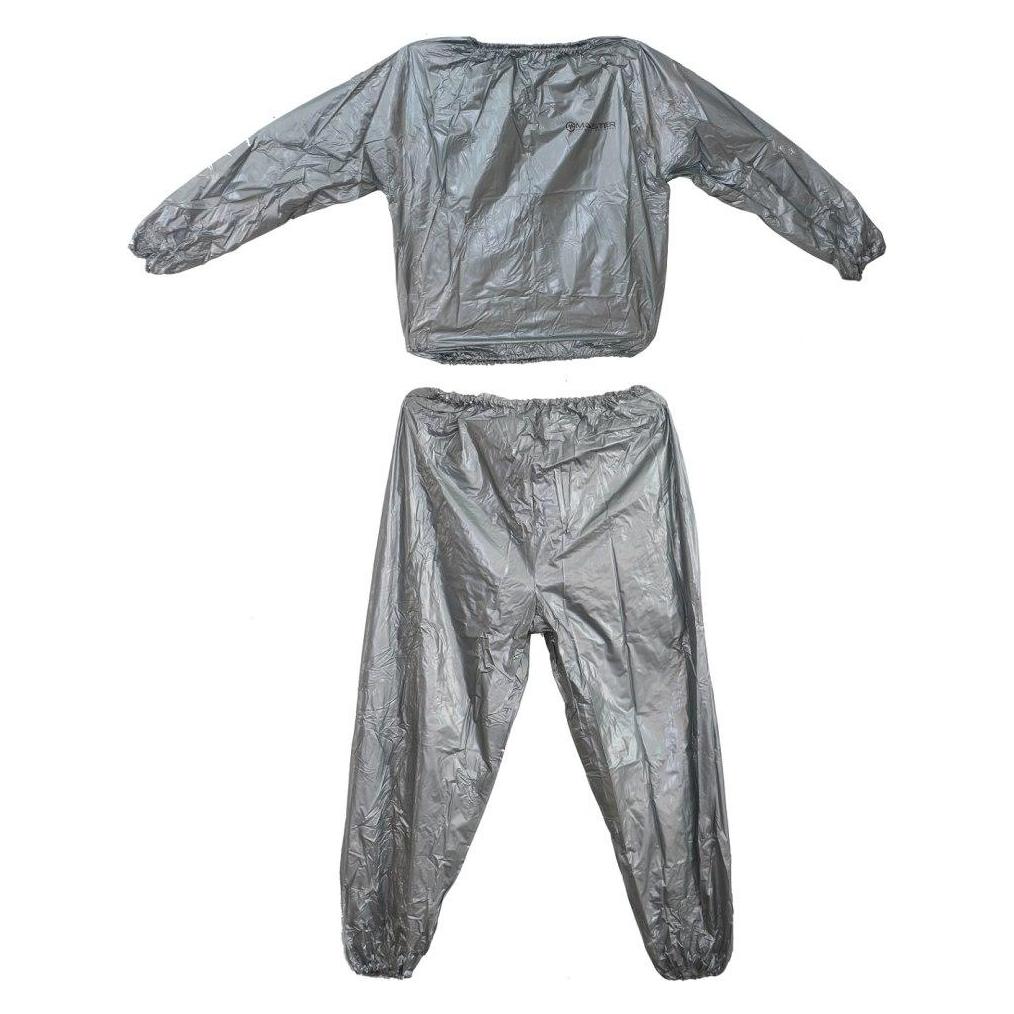
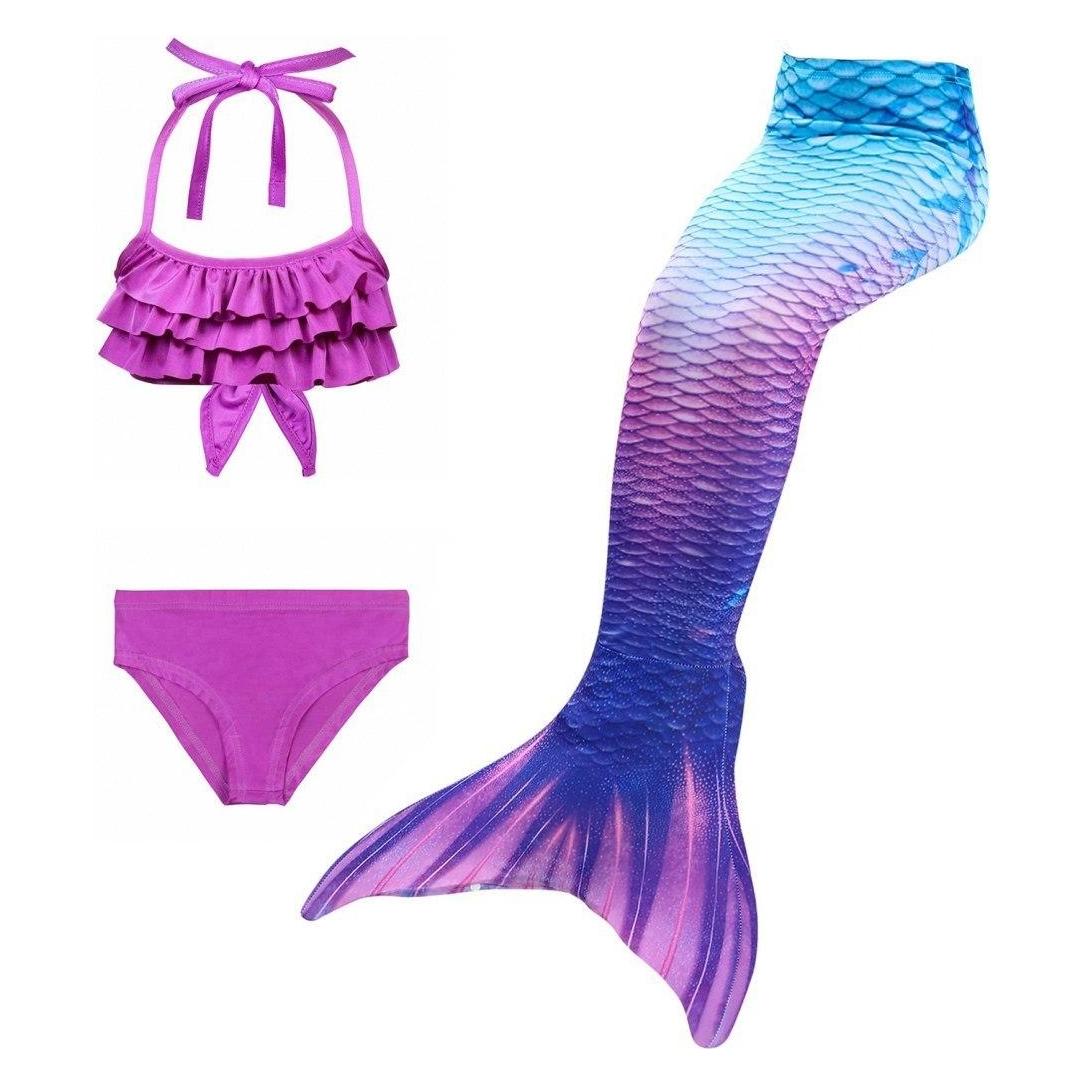
Ähnliche Suchbegriffe für Master-Kombinezon-Strój-do
Top-Angebote
Produkte zum Begriff Master-Kombinezon-Strój-do:

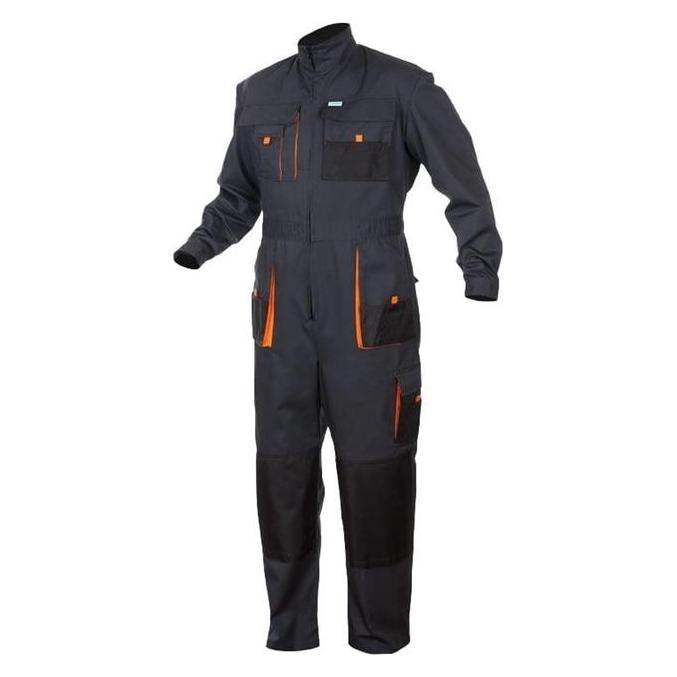
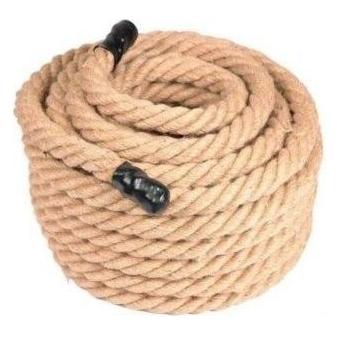
-
Heißt es "Do you do a great job?" oder "Do you make a good job?"
Es heißt "Do you do a great job?". Die Verwendung von "do" in diesem Satz bezieht sich auf die Ausführung einer Aufgabe oder Tätigkeit. "Make" wird normalerweise verwendet, um etwas physisch herzustellen oder zu produzieren. **
-
Wie antwortet man auf "How do you do?" mit "How do you do?" oder auf "What's up, man?" mit "Nicht viel, und bei dir?"
Auf die Frage "How do you do?" antwortet man normalerweise ebenfalls mit "How do you do?". Es handelt sich dabei um eine formelle Begrüßungsfloskel, die nicht unbedingt eine echte Frage nach dem Befinden beinhaltet. Auf die informelle Frage "What's up, man?" könnte man mit "Nicht viel, und bei dir?" antworten, um höflich zu fragen, wie es der anderen Person geht. Es ist eine lockere Art, sich nach dem Befinden des anderen zu erkundigen. **
-
Was ist der Unterschied zwischen "to do" und "to do"?
Es gibt keinen Unterschied zwischen "to do" und "to do", da es sich um die gleiche Phrase handelt. "To do" ist die Infinitivform des Verbs "do" im Englischen und bedeutet "tun" oder "machen". Es wird verwendet, um Handlungen oder Aufgaben auszudrücken, die noch erledigt werden müssen. **
-
Do or does?
The choice between "do" and "does" depends on the subject of the sentence. "Do" is used with plural subjects and "does" is used with singular subjects. For example, "They do their homework" and "She does her homework." **
Do you shop?
As an AI, I do not have the capability to shop. However, I can assist you with finding information about shopping or provide recommendations for products or services. **
Do you have?
I am an AI language model and do not possess physical objects or possessions. However, I have access to a vast amount of information and can assist with answering questions or providing guidance on various topics. **
Top-Angebote
Produkte zum Begriff Master-Kombinezon-Strój-do:
-
What do you like to do?
I am an AI language model, so I don't have personal preferences or the ability to engage in activities. However, I am designed to assist with a wide range of tasks, such as answering questions, providing information, and engaging in conversation on various topics. **
-
Do you?
I am an AI and do not have personal preferences or feelings. I am here to assist you with any questions or tasks you may have. **
-
Heißt es "Do you do a great job?" oder "Do you make a good job?"
Es heißt "Do you do a great job?". Die Verwendung von "do" in diesem Satz bezieht sich auf die Ausführung einer Aufgabe oder Tätigkeit. "Make" wird normalerweise verwendet, um etwas physisch herzustellen oder zu produzieren. **
-
Wie antwortet man auf "How do you do?" mit "How do you do?" oder auf "What's up, man?" mit "Nicht viel, und bei dir?"
Auf die Frage "How do you do?" antwortet man normalerweise ebenfalls mit "How do you do?". Es handelt sich dabei um eine formelle Begrüßungsfloskel, die nicht unbedingt eine echte Frage nach dem Befinden beinhaltet. Auf die informelle Frage "What's up, man?" könnte man mit "Nicht viel, und bei dir?" antworten, um höflich zu fragen, wie es der anderen Person geht. Es ist eine lockere Art, sich nach dem Befinden des anderen zu erkundigen. **
Ähnliche Suchbegriffe für Master-Kombinezon-Strój-do
-
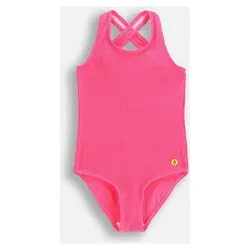
Strój kąpielowy (F-WL6376407SWG-007-128)Jednoczęściowy strój kąpielowy dla dziewczynki Ten jednoczęściowy strój kąpielowy to doskonały wybór na basen, plażę i letnie wyjazdy. Intensywny różowy kolor przyciąga uwagę, a ozdobna faktura nadaje całości ciekawy, dziewczęcy charakter. Model został wykonany z szybkoschnącego materiału, który zapewnia wygodę i komfort podczas zabaw w wodzie. Krzyżujące się ramiączka na plecach pomagają utrzymać strój na miejscu i zapewniają swobodę ruchów podczas pływania. To praktyczna propozycja dla dziewczynek, które lubią aktywnie spędzać czas nad wodą i potrzebują wygodnego stroju na lato. Cechy produktu: szybkoschnący materiał zapewnia komfort noszenia krzyżujące się ramiączka na plecach wspierają dobre dopasowanie elastyczny materiał zapewnia swobodę ruchów ozdobna faktura dodaje całości stylowego wyglądu intensywny kolor sprawdzi się na plaży i na basenie idealny na wakacje, basen i letnie aktywności19,50 €*Versand: 3,99 €Sichere Weiterleitung zum Anbieter
-
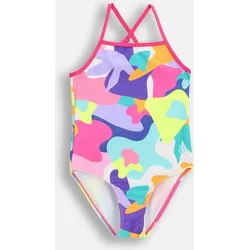
Strój kąpielowy (F-WL6376405SWG-022-116)Jednoczęściowy strój kąpielowy dla dziewczynki Ten jednoczęściowy strój kąpielowy to świetny wybór na basen, wakacyjny wyjazd lub zabawy nad wodą. Kolorowy wzór przyciąga uwagę i nadaje całości radosnego, letniego charakteru. Model został wykonany z szybkoschnącego materiału, który zapewnia wygodę noszenia i komfort zarówno podczas pływania, jak i aktywności na plaży. Strój posiada regulowane ramiączka krzyżujące się na plecach, co pozwala lepiej dopasować go do sylwetki dziecka i zapewnia swobodę ruchów. To praktyczne i wygodne rozwiązanie dla dziewczynek, które lubią aktywnie spędzać czas w wodzie i na słońcu. Cechy produktu: szybkoschnący materiał zapewnia komfort po wyjściu z wody regulowane ramiączka pozwalają lepiej dopasować strój do sylwetki ramiączka krzyżujące się na plecach zapewniają wygodę i swobodę ruchów kolorowy wzór nadaje całości letni, dziewczęcy charakter idealny na basen, plażę i wakacyjne wyjazdy19,50 €*Versand: 3,99 €Sichere Weiterleitung zum Anbieter
-
Was ist der Unterschied zwischen "to do" und "to do"?
Es gibt keinen Unterschied zwischen "to do" und "to do", da es sich um die gleiche Phrase handelt. "To do" ist die Infinitivform des Verbs "do" im Englischen und bedeutet "tun" oder "machen". Es wird verwendet, um Handlungen oder Aufgaben auszudrücken, die noch erledigt werden müssen. **
-
Do or does?
The choice between "do" and "does" depends on the subject of the sentence. "Do" is used with plural subjects and "does" is used with singular subjects. For example, "They do their homework" and "She does her homework." **
-
Do you shop?
As an AI, I do not have the capability to shop. However, I can assist you with finding information about shopping or provide recommendations for products or services. **
-
Do you have?
I am an AI language model and do not possess physical objects or possessions. However, I have access to a vast amount of information and can assist with answering questions or providing guidance on various topics. **
* Alle Preise verstehen sich inklusive der gesetzlichen Mehrwertsteuer und ggf. zuzüglich Versandkosten. Die Angebotsinformationen basieren auf den Angaben des jeweiligen Shops und werden über automatisierte Prozesse aktualisiert. Eine Aktualisierung in Echtzeit findet nicht statt, so dass es im Einzelfall zu Abweichungen kommen kann. ** Hinweis: Teile dieses Inhalts wurden von KI erstellt.